Name a site contact
Choose someone who can confirm access, work zones and daily changes. Give that person the filming objective and intended timing so production can be coordinated with site operations.

PLANNING NOTES
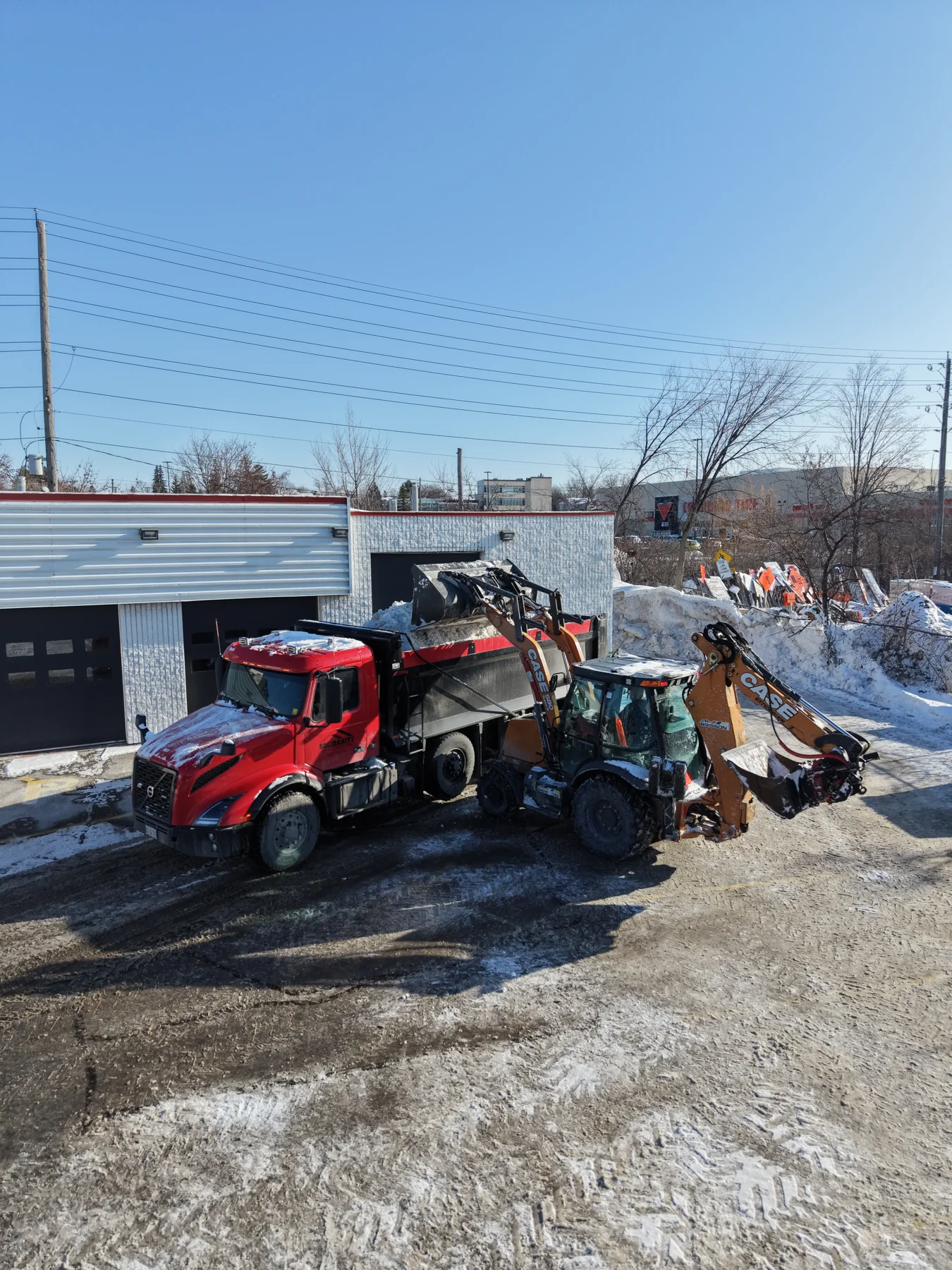
An active construction site needs a filming brief that fits the work taking place. Share practical site information early, then confirm the plan with the people responsible for access.
By Solidarity Drone Videos · Planning guide
IN THIS PAGE
Name a site contact Provide the information that changes the plan Agree the camera brief and backup Review before capture Use one brief that the site team can act on Plan alternatives without losing the purposeChoose someone who can confirm access, work zones and daily changes. Give that person the filming objective and intended timing so production can be coordinated with site operations.
Share the address, site boundary, access arrangements, restricted areas and any planned activity that affects filming. Flag public access and neighbouring properties. A production enquiry should describe the actual site, rather than assume that all construction locations can be filmed in the same way.
List essential shots and useful alternatives. A ground-level view may serve the story when an aerial shot is unavailable. Confirm what happens if weather, access or operating conditions change, including how a replacement date is selected.
Access permission and drone operating requirements are separate considerations. Confirm the applicable requirements for the particular operation with the operator and current official guidance. Transport Canada maintains its drone safety information at https://tc.canada.ca/en/aviation/drone-safety.
Transport Canada drone safety guidance (opens in a new tab)Include the address, access point, site contact, work programme and intended outputs. Flag active equipment, planned deliveries and areas that should not appear in public material. A brief that the site contact can review is more useful than a creative plan developed without operational input. Do not treat permission to enter a site as permission for every flight. The actual operation and current conditions still need assessment before capture.
A planned viewpoint may become unavailable or the weather may change. Identify which shots are essential and what alternatives could still communicate the milestone. Sometimes a revised capture date is the useful answer; sometimes a ground-level view can supply a missing detail. The final proposal should make rescheduling and scope changes understandable. The planning conversation can address those choices before the team is waiting on site.